

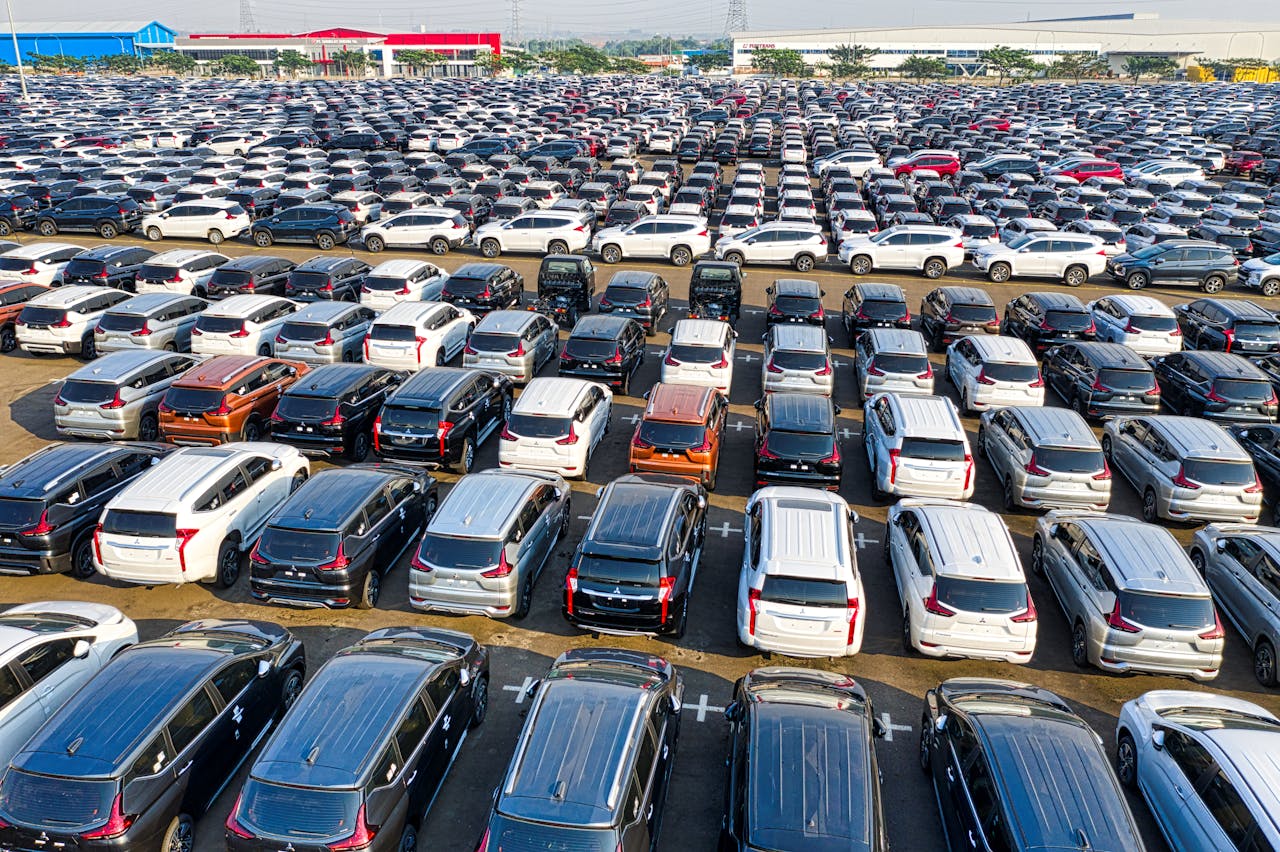
INILAH.COM – Indonesian consumers display distinct preferences when choosing vehicles. Although the government and automakers continue promoting electric vehicle adoption, conventional internal combustion engine (ICE) cars and hybrid electric vehicles (HEVs) still dominate the used car market. Both are considered more stable in terms of depreciation and resale value.
Used-car buying and selling platform OLXmobbi recorded increased activity throughout 2025. The number of customers trading in their vehicles rose by 53 percent compared with last year, while the number of sellers grew by 47 percent over the same period.
OLXmobbi Director Agung Iskandar explained that the majority of cars sold through the platform remain in good condition. All units undergo strict selection, including inspection to ensure they are free from flood damage. Agung believes this year’s achievements indicate that the used car market is becoming healthier and continues to be a driver of the automotive industry.
OLXmobbi’s internal data shows that the average price of cars sold at major automotive exhibitions this year is around Rp150 million. Meanwhile, hybrid cars average around Rp300 million. In contrast, battery electric vehicles (BEVs) average only about Rp115 million.
Depreciation rates for electric vehicles are significantly higher. ICE and HEV models typically experience a decline of around 10 to 15 percent per year, while BEVs drop between 35 and 60 percent annually. This decline is driven by rapid model updates and the limited number of financing institutions willing to support used EV purchases.
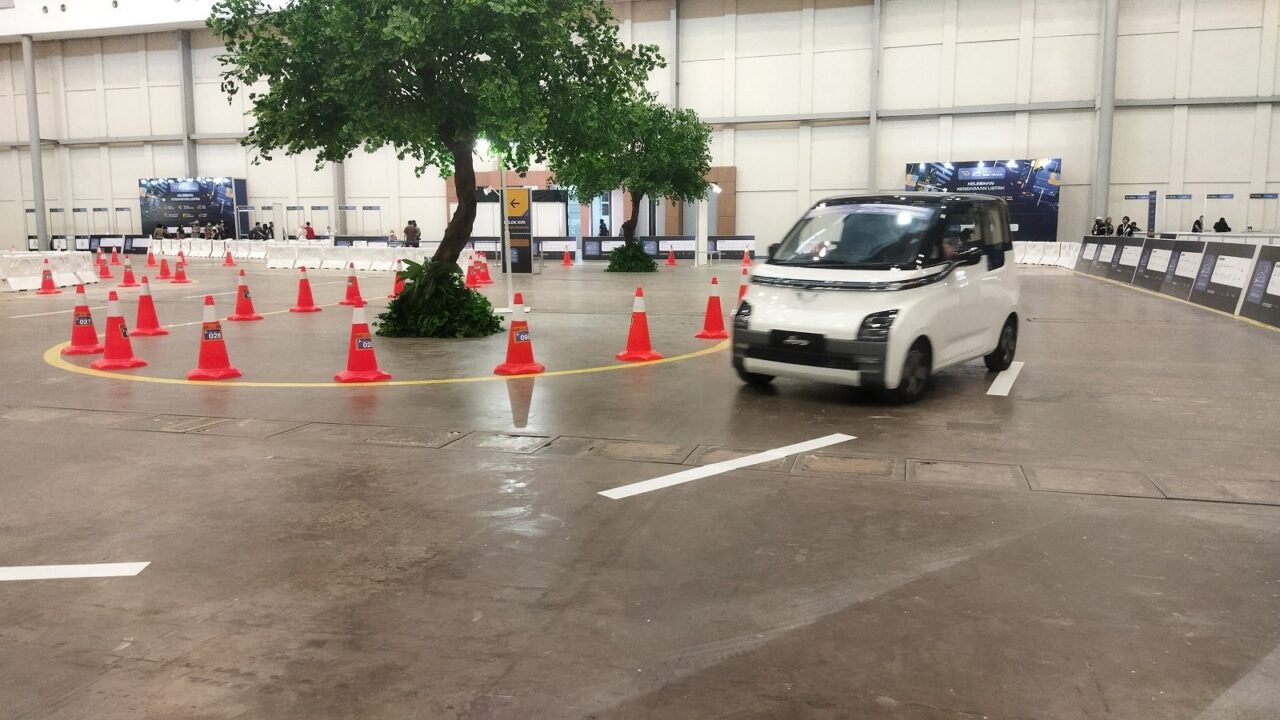
ICE and hybrid models remain favorites, such as the Toyota Kijang Innova, Avanza, and Yaris Cross. For electric cars, the Wuling Air EV is the most frequently sold model, although its volume remains far behind that of conventional and hybrid segments. The most sought-after vehicle types continue to be multipurpose vehicles (MPVs), sport utility vehicles (SUVs), and hatchbacks, which are seen as functional for families.
Consumers are increasingly considering long-term value before purchasing a car. Vehicles with lower depreciation and easier maintenance are preferred. This trend shows that vehicle purchasing decisions in Indonesia are becoming more influenced by economic considerations rather than simply following technological developments. (*) (*)