

HARAPAN RAKYAT – The growth of Battery-Based Electric Motor Vehicles (KBLBB) in West Java is showing a positive trend. According to data from the Transportation Agency, the number of electric vehicles in West Java has increased sharply in the past three years. From just 3,133 units in 2022, it reached 36,972 units by the end of 2024—a more than tenfold increase. Bandung City is one of the growth centers, supported by Public Electric Vehicle Charging Station (SPKLU) infrastructure and local government policies.
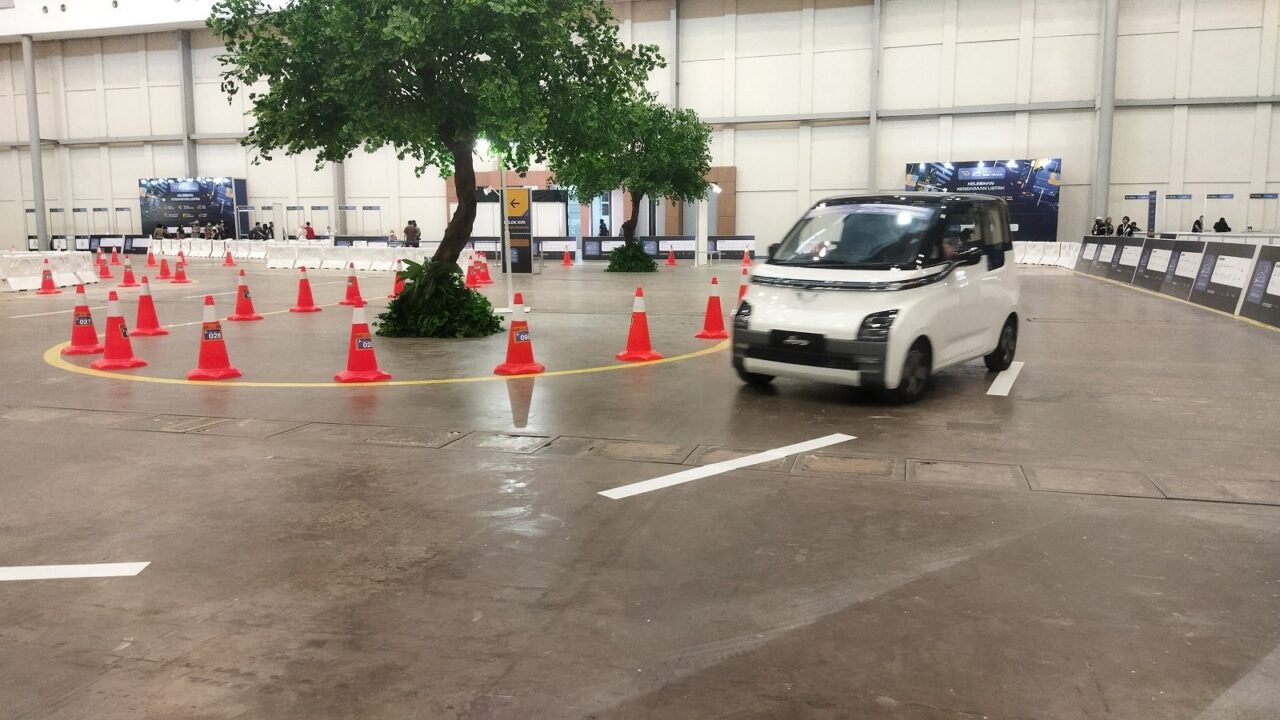
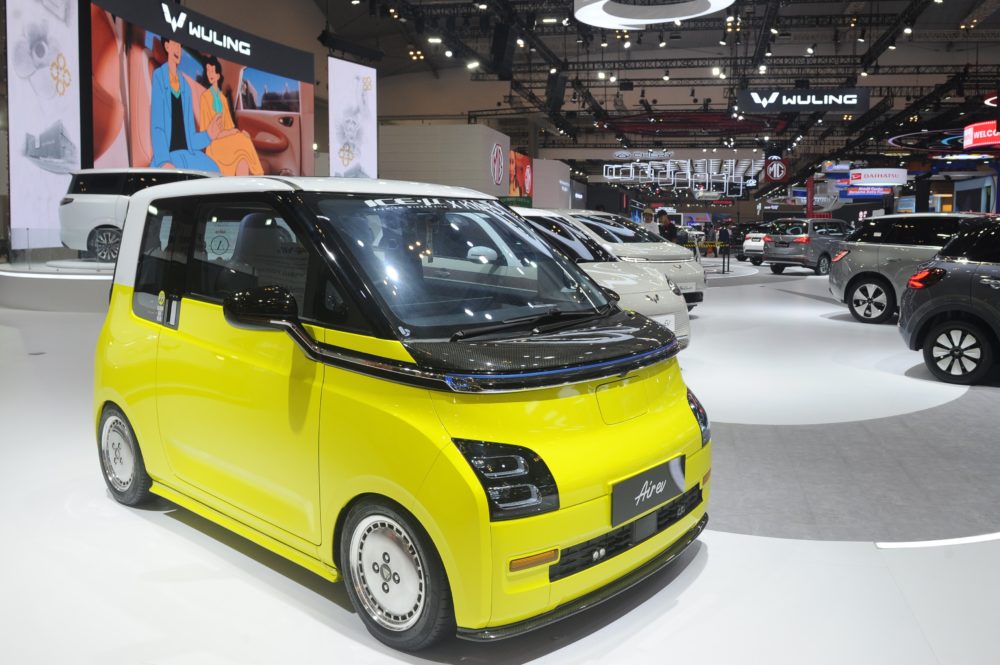
Increased consumer interest was also evident at the 2025 GIIAS Bandung automotive exhibition. Wuling Motors targeted 150 Vehicle Order Letters (SPK) during the five-day exhibition, up from 125 SPKs the previous year. Its flagship products, the Air EV and Binguo EV, were well-received as they were considered suitable for Bandung’s relatively narrow and congested streets.
The increasing preference of Bandung residents for electric vehicles is also evident in a statement by Wuling Motors Indonesia Public Relations Manager Brian Gomgom. According to him, electric car sales in West Java have doubled compared to 2024, with the largest contribution coming from Bandung. “The growth of electric cars is indeed growing rapidly in Bandung, as well as in other major cities,” he said.
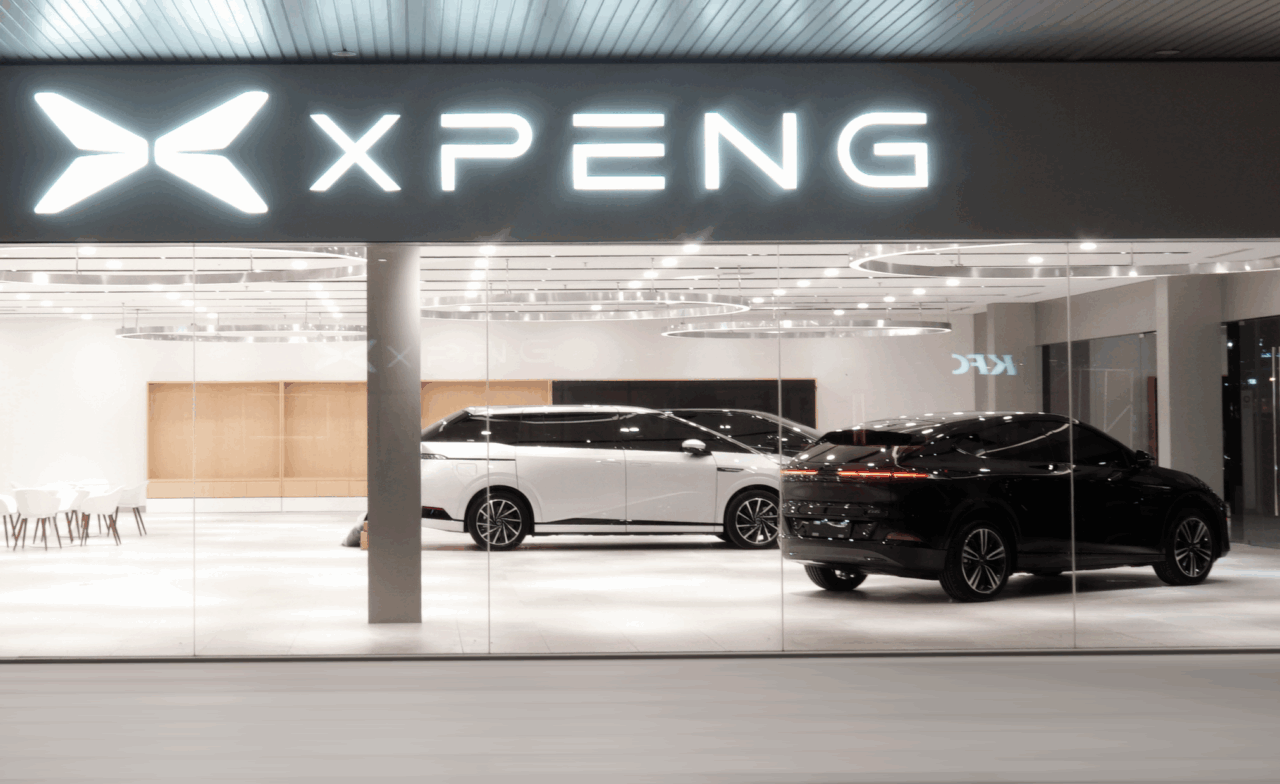
Meanwhile, at the national level, data from the Association of Indonesian Automotive Industries (GAIKINDO) shows that the electric car market is still dominated by Chinese brands. BYD recorded retail sales of 2,746 units in August 2025, far surpassing its closest competitor, Aion, which sold 681 units. Denza, however, was in the spotlight with a significant increase in sales, from 423 units in July to 542 units in August. Geely and Xpeng also recorded increases, while several other brands, such as Neta and Seres, actually weakened.
This situation demonstrates two sides to the development of electric vehicles in Indonesia. At the national level, the market remains heavily concentrated on BYD, while in regions like West Java, consumers are beginning to demonstrate more diverse preferences. A combination of local government incentives, infrastructure readiness, and manufacturer strategies are key factors driving the accelerated adoption of electric cars. (*)