


KATADATAOTO – The national automotive market has yet to show significant improvement toward the end of 2025. According to data from the Association of Indonesian Automotive Industries (GAIKINDO), retail car sales — from dealers to consumers — in September 2025 reached only 63,723 units. This figure fell 4.20 percent compared to August 2025, which recorded 66,518 units.
Cumulatively, new car sales from January to September 2025 totaled 585,917 units. This achievement is still far below GAIKINDO’s annual target of 850,000 units. That means around 265,000 units still need to be sold in the remaining three months.
To meet that target, automakers must sell an average of 88,300 units per month through December. This is considered a tough challenge because the national economy has not yet fully recovered.
The official distributor of Suzuki in Indonesia, Suzuki Indomobil Sales (SIS), remains optimistic that the industry target can still be achieved. SIS 4W Deputy Managing Director Dony Ismi Saputra said that car sales usually rise in November and December, following the seasonal trend in the automotive market.
He explained that sales growth often occurs because automakers offer attractive year-end promotions. Consumers tend to wait for this period to purchase new cars. However, Dony emphasized that this will only happen if the seasonal index remains stable. The seasonal index refers to periodic factors that influence fluctuations in demand.
Based on historical trends, car sales usually decline in September and October as consumers wait for year-end deals. This situation makes automakers’ performance during those two months less optimal.
In 2024, car sales in October reached only 73,443 units. Sales in November 2024 were 73,475 units, and in December increased to 82,094 units. Given this pattern, achieving the 850,000-unit target by the end of 2025 is considered difficult.
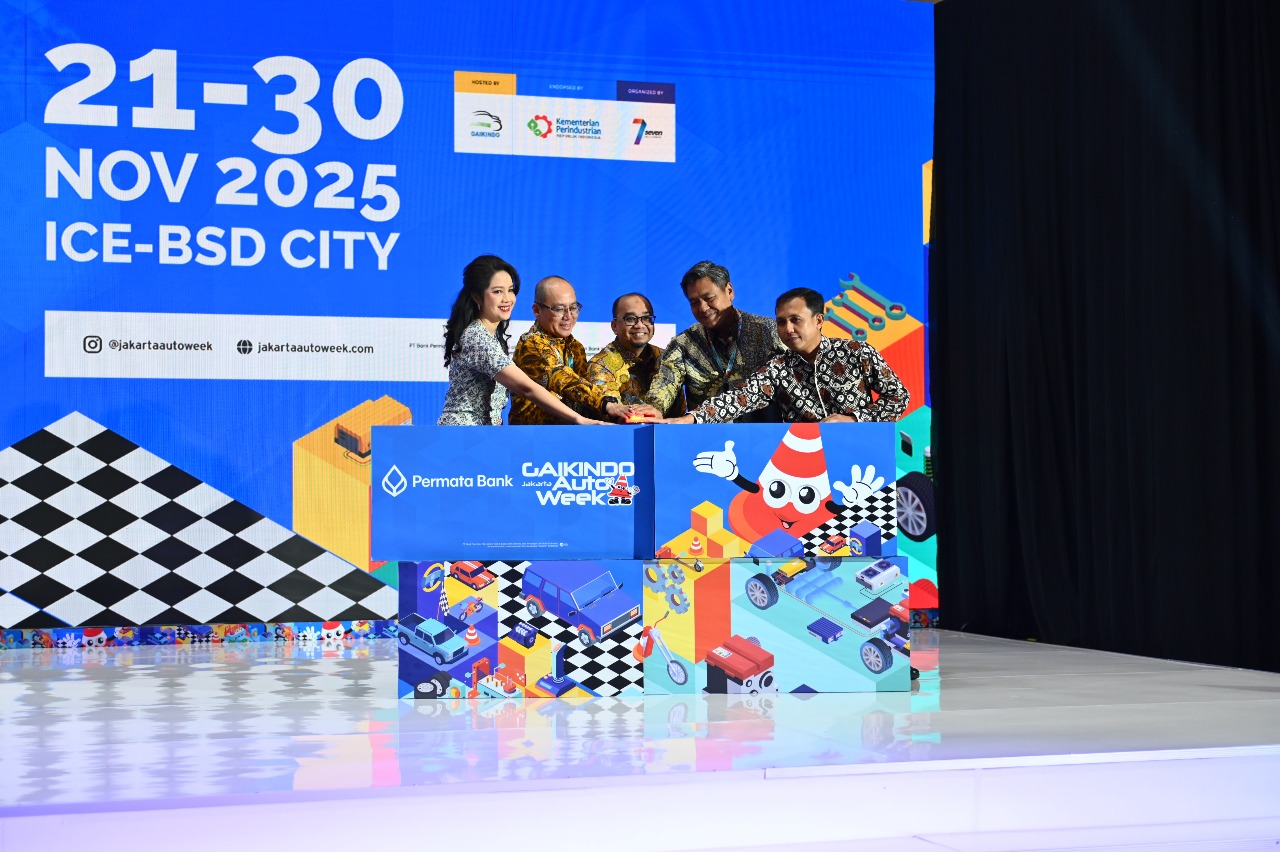
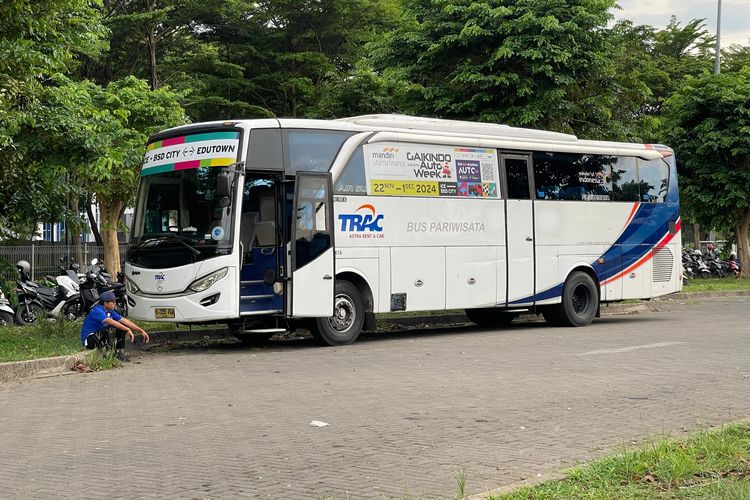
Car sales typically show improvement about a month after major auto exhibitions. For example, the positive impact of GIIAS 2025 was only visible in the following month. A similar effect is expected from the GAIKINDO Jakarta Auto Week (GJAW) exhibition, which will be held in November 2025, where sales momentum will likely appear in December. However, the effect of such exhibitions generally lasts for only about one month.
With limited time left, automakers will need to work harder to catch up to their year-end targets. Large-scale promotions toward the end of 2025 are expected to be the main strategy to bring sales closer to GAIKINDO’s target. (*)