

Photo: Auto2000
KABAROTO.COM – The Low Cost Green Car (LCGC) program, officially known as the Fuel-Efficient and Affordable Four-Wheeled Motor Vehicle (KBH2), has become one of the most significant policies. This policy has shaped the development of Indonesia’s automotive industry. The program was launched in 2013 to provide affordable cars for the middle class while encouraging energy efficiency and the use of locally produced components.
The legal foundation of this program is Government Regulation Number 41 of 2013. The government provided incentives in the form of exemption from the Luxury Goods Sales Tax (PPnBM) for cars that met the LCGC criteria. This policy allowed car prices to be reduced to around Rp100 million when first launched.
Manufacturers were required to meet several conditions for their products to be recognized as LCGC. These conditions included a small engine capacity between 980 cc and 1,200 cc, a minimum fuel efficiency of 20 kilometers per liter, and an increase in local content or components produced in Indonesia. These requirements encouraged manufacturers to invest in assembly facilities and local component development.
After the regulation was implemented, the market was immediately flooded with new models. Daihatsu Ayla and Toyota Agya became the pioneers, followed by Honda Brio Satya and Suzuki Karimun Wagon R in 2013. The presence of these models expanded the range of affordable car options in the domestic market.
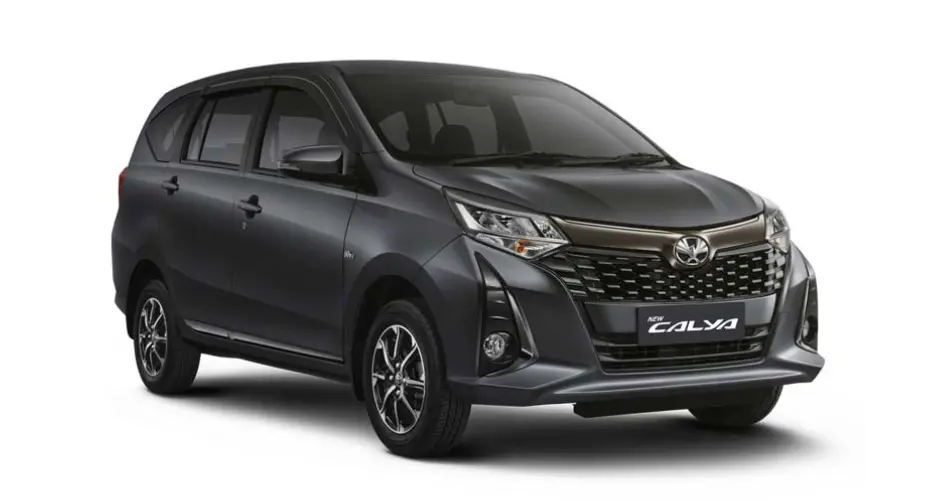
A major change occurred in 2016 when Daihatsu and Toyota launched the Sigra and Calya. Both models brought the LCGC concept into the multi purpose vehicle (MPV) segment with seven seats. These family cars quickly gained popularity among young consumers and dominated national car sales.
Several other brands, such as Nissan, also tried their luck through the Datsun GO and GO+ Panca. However, intense competition and economic pressure led Datsun to stop production in 2020. Suzuki later ended production of the Karimun Wagon R in 2021. The LCGC program also drew criticism for allegedly causing market cannibalization, meaning it took sales share from the non-LCGC Low MPV segment. Nevertheless, LCGC remains the backbone of Indonesia’s automotive industry today. Fuel-efficient and affordable cars continue to attract most consumers, even as global trends shift toward electric vehicles.
(*)