

KOMPAS.com – Indonesia’s automotive industry is preparing to enter a new era.
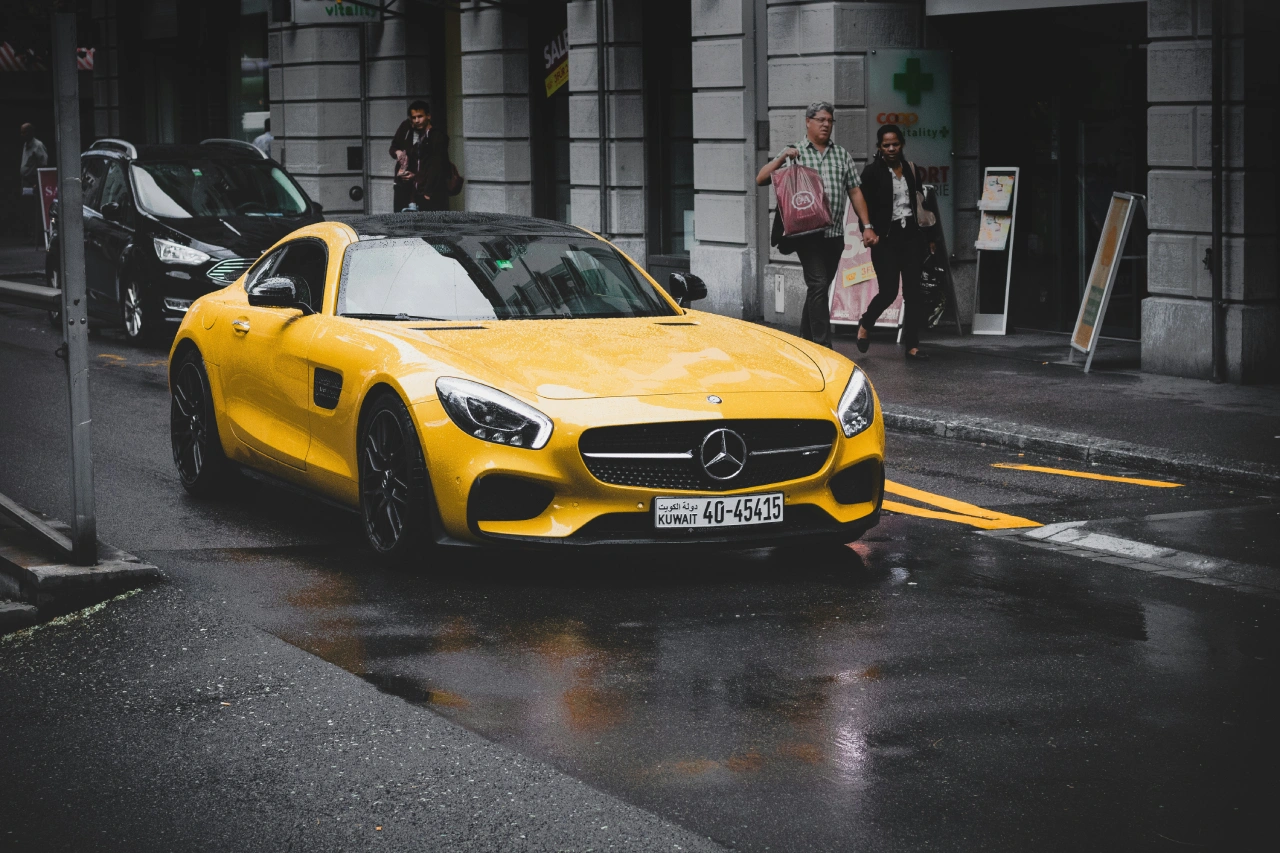
The country has officially signed the Indonesia–European Union Comprehensive Economic Partnership Agreement (IEU–CEPA). According to documents from the European Commission, import tariffs on European cars — previously set at 50 percent — will be gradually eliminated over the next five years. This policy opens the door for European brands such as Ferrari, BMW, MINI, Land Rover, Mercedes-Benz, VW, Audi, Scania, Renault, Citroen, and Peugeot to enter Indonesia’s market at more competitive prices.
Coordinating Minister for Economic Affairs Airlangga Hartarto described the signing of IEU–CEPA as a historic milestone. He noted that the negotiation process had taken nine years since the first round in Brussels, Belgium, in 2016. He said the agreement reflects both parties’ commitment to an open, fair, and sustainable economic partnership.
In addition to tariff elimination, IEU–CEPA also opens opportunities for harmonizing automotive standards between Indonesia and the European Union. Through this agreement, European vehicles that already possess United Nations (UN) Type Approval certification will be automatically recognized in Indonesia without the need for retesting. The UN Type Approval certification is an international standard ensuring that vehicles meet safety, emission, and quality requirements in line with United Nations (UN) regulations.
Indonesia will also join the United Nations Economic Commission for Europe (UNECE) 1958 Agreement. This is a global framework that serves as the main reference for vehicle technical regulations worldwide. The participation is expected to accelerate the adoption of globally recognized automotive technologies and strengthen technical cooperation through the Automotive Working Group forum.
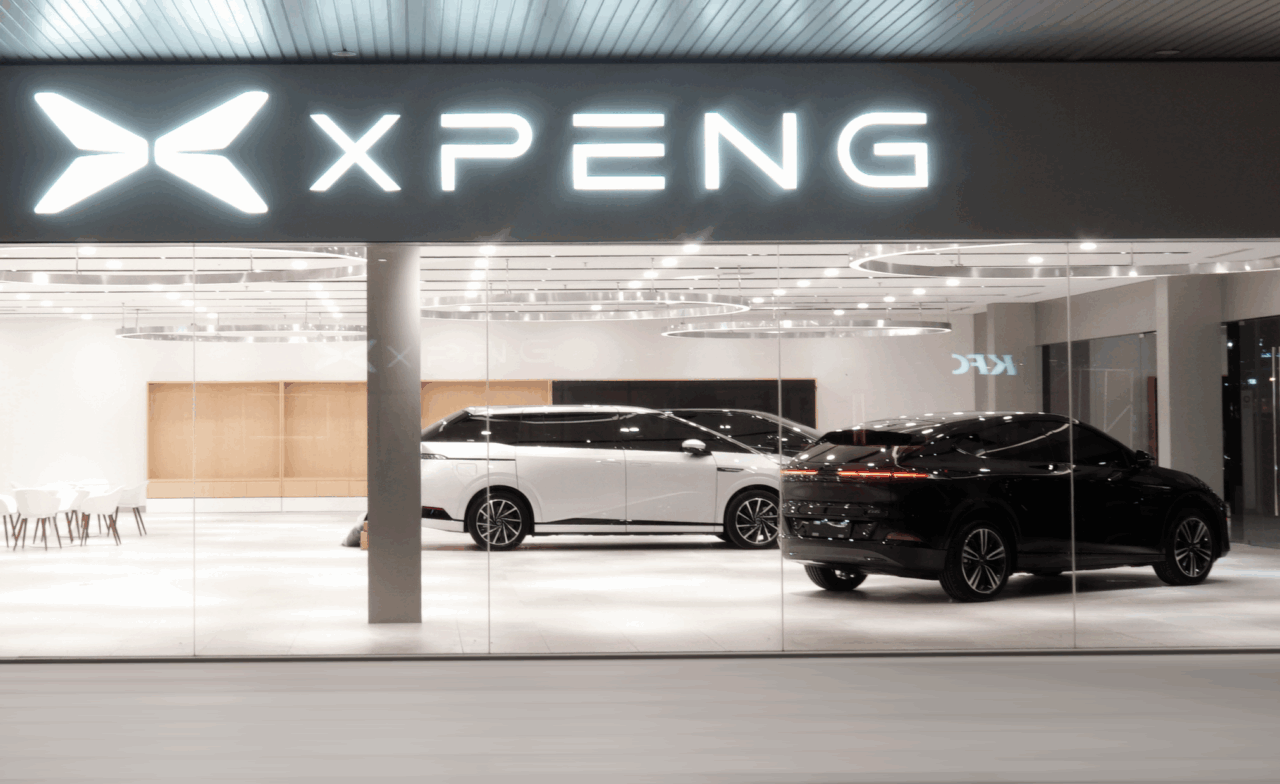
The arrival of European cars with zero tariffs will also enrich the dynamics of the regional automotive market. China, which is aggressively exporting electric vehicles to Indonesia with projected import values exceeding Rp15 trillion by fiscal year 2025, will now face new competition from Europe. This development positions Indonesia as the meeting ground for three major automotive powers — Japan, China, and Europe. Competition will not only revolve around price, but also quality, innovation, and the speed of technological adoption.
The signing of IEU–CEPA is not merely about expanding market access, but also marks a key step toward Indonesia’s integration into the global supply chain. For consumers, this new era promises more choices at more affordable prices. For industry players, increasingly complex competition serves as motivation to innovate and enhance national competitiveness. However, the IEU–CEPA agreement will only take effect after the necessary legalization, signing, and ratification processes by the relevant authorities, in accordance with standard international treaty procedures. (*)