

PHOTO: ASTRA DAIHATSU
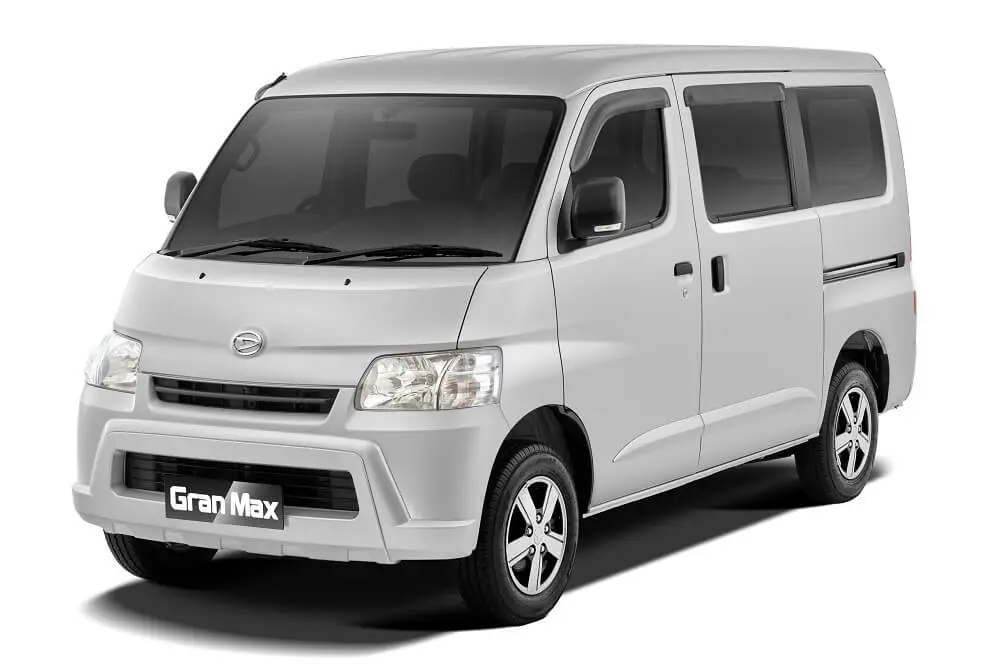
DETIK – Daihatsu’s sales in October 2025 were strongly supported by the Gran Max lineup, which delivered standout performance. This commercial model competed closely with passenger cars and became Daihatsu’s largest sales contributor in Indonesia. Company data shows that the Gran Max Pick-up recorded 4,436 units, or 36.4 percent, followed by the Gran Max Mini Bus with 2,408 units, or 19.7 percent.
Other models in the low-cost green car (LCGC) segment—Sigra and Ayla—recorded 2,348 units (19.3 percent) and 764 units (6.3 percent), respectively. LCGC refers to a government-defined category of affordable, fuel-efficient vehicles. Both models remain popular among consumers seeking low-cost ownership.
PT Astra Daihatsu Motor stated that October’s performance was driven by strong customer loyalty. The company noted that more than 80 percent of Daihatsu’s sales are supported by the low commercial and LCGC segments. The low commercial segment dominates around 56 percent and plays an important role in business activity, particularly among MSMEs that rely on commercial vehicles for daily operations.
Daihatsu’s retail sales in October 2025 reached 12,196 units, a 7 percent increase compared with September’s 11,390 units. Growth was also seen in the low commercial segment’s market share, which reached 65.5 percent—up 2.4 percent from October 2024. This segment consists of models designed for business use with low operating costs.
The main contributors came from the two Gran Max models. The Gran Max Pick-up recorded 34,340 units and captured 58.6 percent of the Low Pick-up segment, an increase of 1.5 percent from the previous year. The Gran Max Mini Bus posted 14,098 units, securing 91.8 percent of the semi-commercial segment, which includes light commercial vehicles used for small-scale passenger transport or logistics.
Overall, Daihatsu achieved a 17 percent market share, equivalent to 112,530 units from a national automotive market of around 660,000 units. The company believes consumers choose Daihatsu for its fuel efficiency, affordable pricing, and low total cost of ownership—a term that refers to long-term expenses, including purchase, maintenance, and resale value.
Another factor supporting demand is Daihatsu’s extensive aftersales network and stable resale value. These aspects make several Daihatsu models attractive as valuable automotive assets for consumers. (*) (*)