

Photo: BYD
DETIK – The Chinese government is preparing new regulations on vehicle pricing to curb price war practices in the domestic market. The policy is intended to foster fairer competition among manufacturers and protect consumer interests.
In recent years, aggressive price competition has been deemed to have disrupted the balance of China’s automotive industry. This situation has placed significant pressure on manufacturers, dealers, and vehicle supply chains.
The regulation is currently in the form of draft guidelines governing pricing behavior, institutional frameworks, and compliance practices. The objective is to maintain healthy competition, safeguard consumer rights, and ensure the long-term sustainability of the automotive industry.
Under the guidelines, manufacturers will be required to set standard prices that apply uniformly across regions and dealer networks. This measure aims to prevent unilateral pricing decisions and extreme price disparities between regions.
The rules also limit the scope for dealers to offer price promotions. Anti-competitive practices—such as price-fixing agreements among market participants or sudden price hikes, will fall under regulatory scrutiny.
Companies are required to establish internal systems to monitor compliance with pricing rules. These systems include training, supervision, and reporting mechanisms to mitigate legal risks and protect corporate reputation.
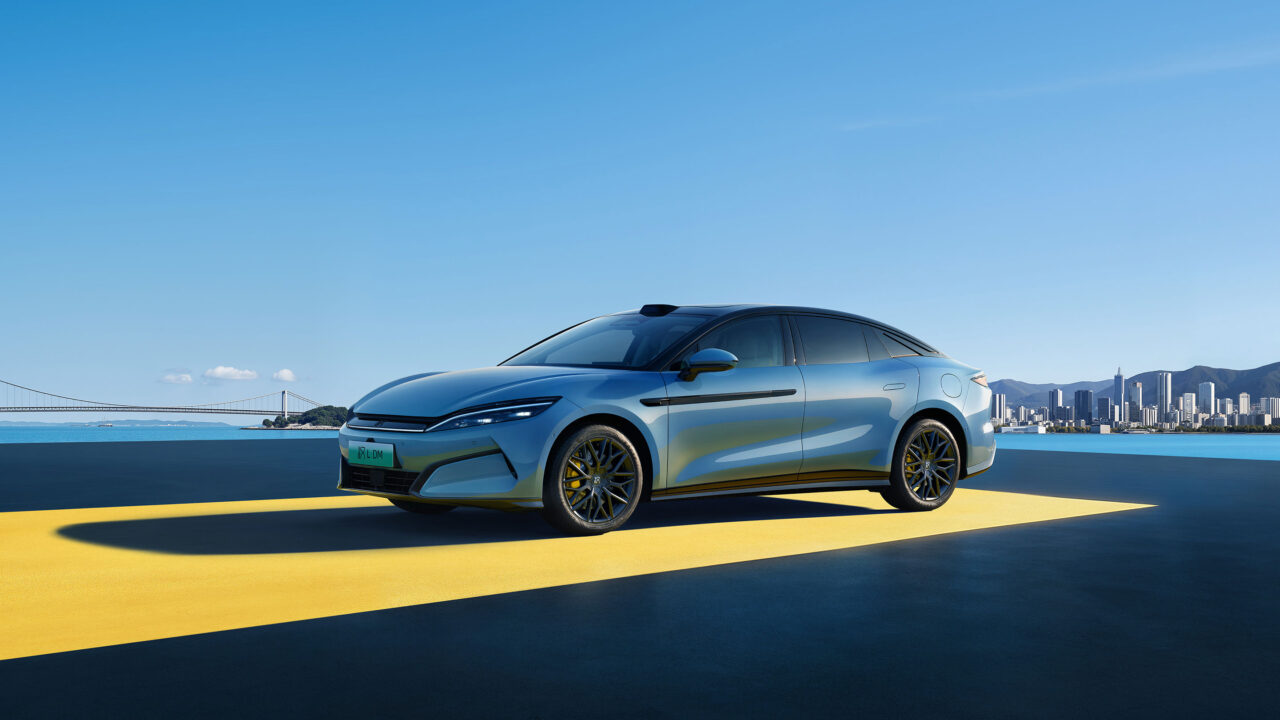
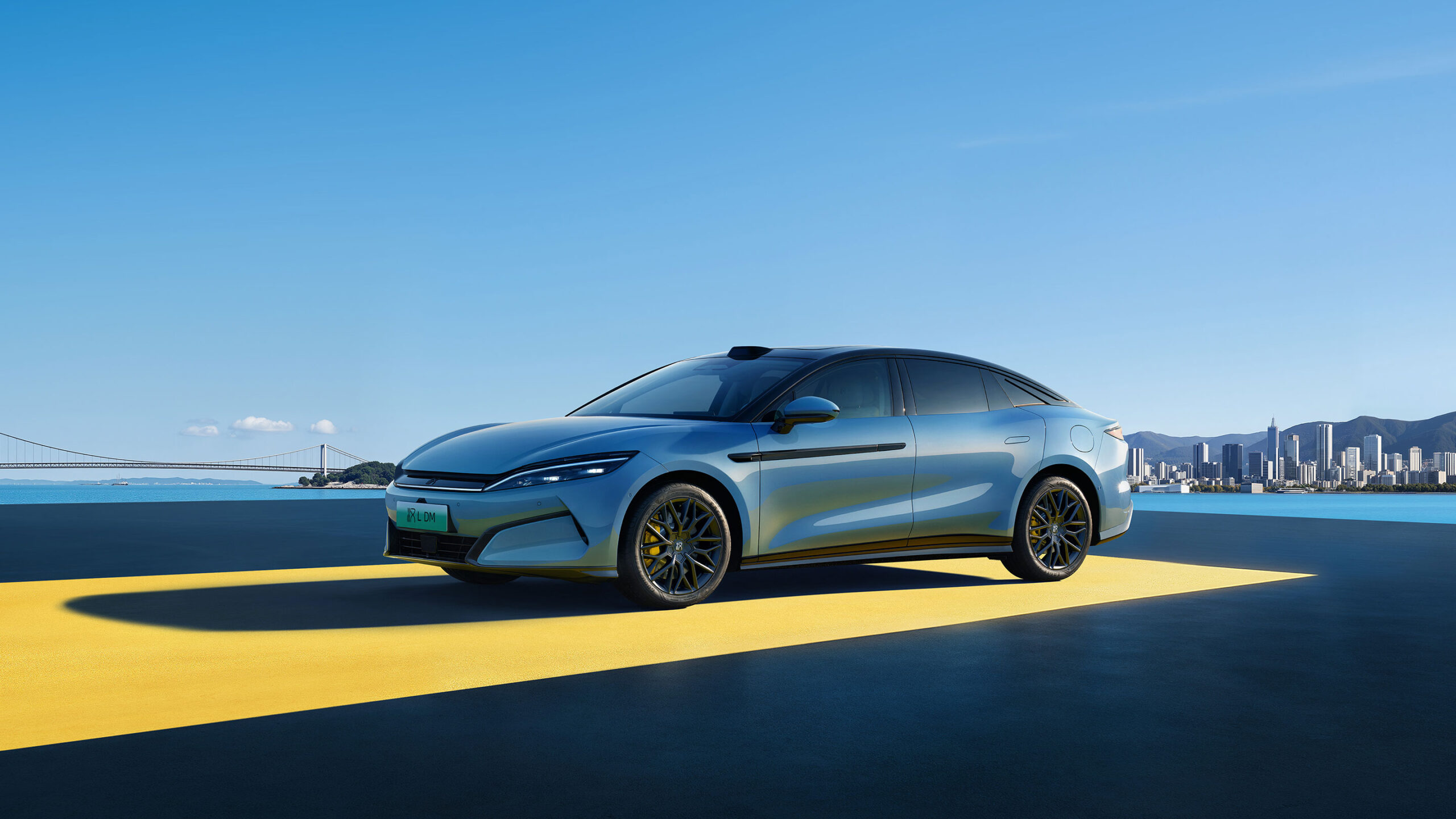
Chinese automaker BYD has stated that it will comply with the guidelines. BYD plans to strengthen internal price management and compliance systems to ensure fair pricing practices.
BYD will also implement internal rules to prevent price manipulation and practices deemed unfair. The company aims to serve as a benchmark for industry compliance.
Other manufacturers, such as Nio Incorporated, Great Wall Motors (GWM), and XPeng Motors, have expressed similar commitments. This stance reflects industry alignment with the policy direction currently being formulated.
Once the draft regulations are finalized, the Chinese government expects vehicle price controls to be implemented more effectively. Market transparency in the automotive sector is also expected to improve, providing consumers with greater price certainty and fairness. (*)