

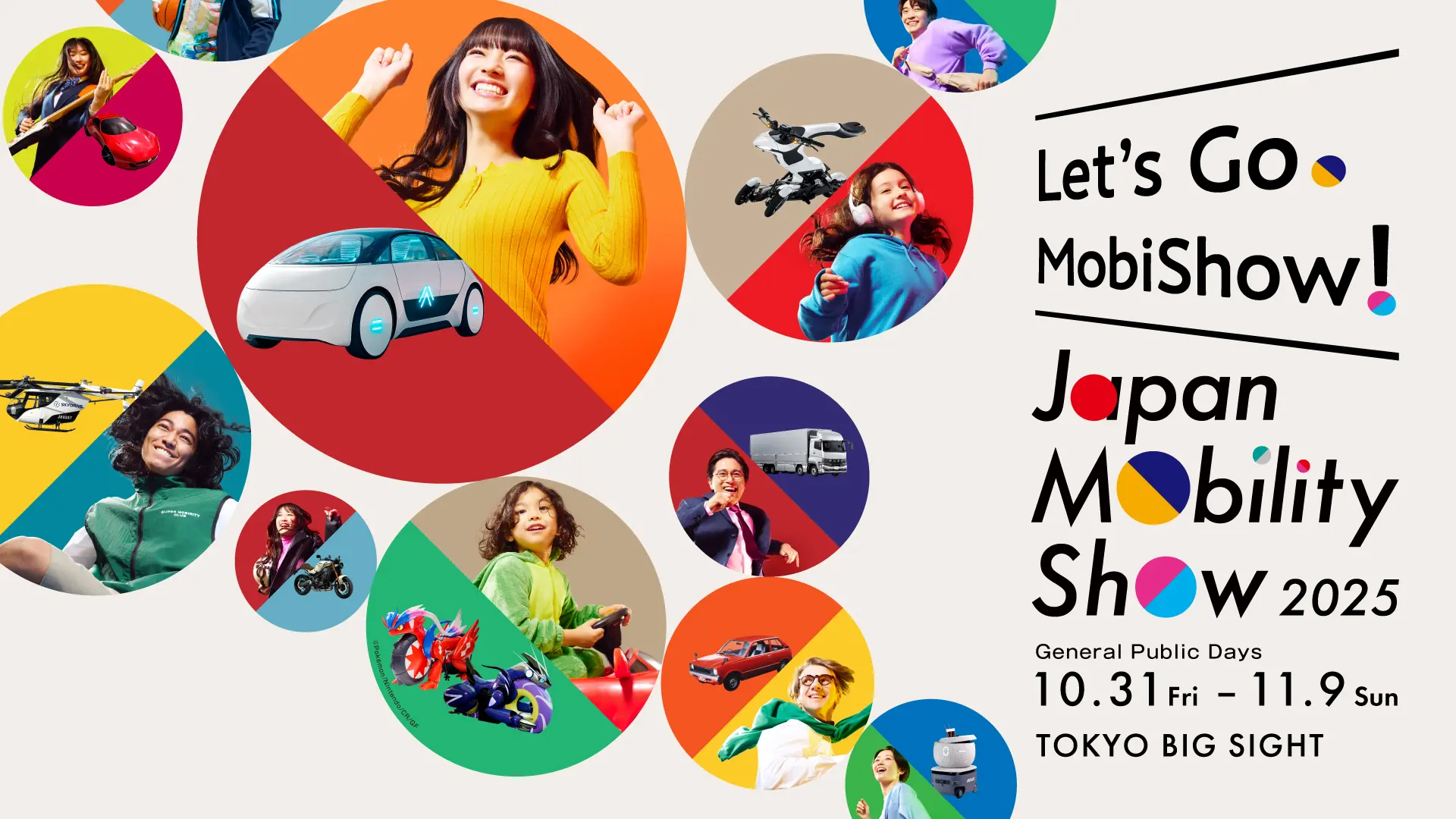
The Japan Mobility Show (JMS) 2025 takes place from 30 October to 9 November 2025 at Tokyo Big Sight, Japan’s largest convention center located in the Odaiba district of Tokyo.
IDN TIMES — The Japan Mobility Show (JMS) 2025 has become a global stage for the automotive industry. The exhibition showcases a wide range of cutting-edge technologies. It also highlights the shifting power of the global automotive industry toward Asia. From Japan, South Korea, to China, major players from the region are presenting their latest innovations—underscoring that the future of mobility is now largely shaped by countries in this part of the world.
In the past, Europe and the United States were the main benchmarks for automotive technology. Today, Asia is taking the lead with a more adaptive approach to trends in electrification, efficiency, and connectivity. The list of participants at JMS 2025 clearly reflects this dynamic—Toyota, Honda, Nissan, BYD, and Hyundai—each bringing its unique identity and technological strengths to win over global consumers. From Europe, only Mercedes-Benz, BMW, and Mini are participating.
As the host nation, Japan comes in full force. Nearly all major Japanese automakers are participating in JMS 2025, including Toyota, Honda, Nissan, Mazda, Suzuki, and Subaru. They are emphasizing that although Japan was once considered slow to adapt to the electric vehicle trend, it is now moving quickly. Their focus is not only on pure electric vehicles but also on hybrid and hydrogen technologies—two areas where Japan holds a strong technological advantage.
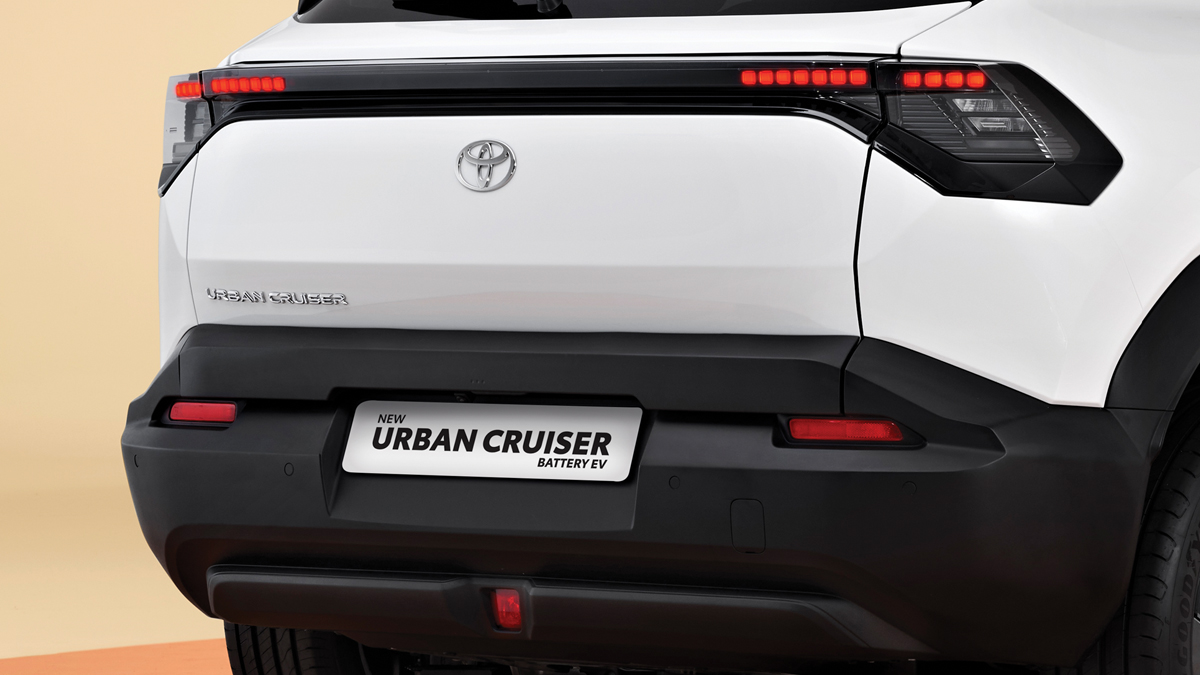
Toyota, for instance, continues to push the development of next-generation hybrid and fuel cell technologies. Honda and Nissan are introducing futuristic electric vehicle concepts featuring advanced driver-assistance technologies. With the spirit of “future mobility for all,” Japan aims to reaffirm its status as an innovation leader, not merely a follower of trends.
On the other hand, BYD’s presence draws major attention at JMS 2025. The Chinese electric vehicle manufacturer has become a global force that can no longer be ignored. In recent years, BYD has even overtaken Tesla in electric vehicle sales in several markets, and its presence at JMS demonstrates its ambition to penetrate the Japanese market—a region traditionally difficult for foreign brands to enter.
BYD showcases a lineup of compact electric cars designed to suit the needs of Japanese consumers. Beyond efficiency, the company highlights smart technology integration, such as advanced connectivity systems and its Blade Battery, renowned for safety and durability. This move symbolizes the confidence and transformation of China’s automotive industry—from imitator to innovator.
Meanwhile, South Korea, represented by Hyundai, takes on a unique position as a “bridge” between Asia’s two major powers—Japan and China. Hyundai adopts an aggressive approach in the electric vehicle and future mobility segments. Models such as the Ioniq 5 and Ioniq 6 showcase the maturity of its technology, especially in design, driving range, and autonomous features. Hyundai’s participation in JMS reinforces that Korea is no longer in Japan’s shadow but a peer competitor in global EV innovation. Its strategy to expand market reach through international partnerships also reflects a strong long-term vision.
The combination of these three major Asian powers makes the Japan Mobility Show 2025 a historic event. It is not merely an exhibition of products but a symbol of a global automotive landscape shifting eastward. Japan, China, and South Korea are not just showcasing cars, but they are also presenting the future of intelligent mobility that will define the direction of the global automotive industry in the coming decade. (*)